The NSW government have introduced a new offence of combining drink driving and illicit substances in oral fluid or drug driving.
Regardless of where you are charged and/or convicted for the first time in five years, this charge will only apply to middle and high range Prescribed Concentration of Alcohol (PCA).
For a second or subsequent offence within the last five years, this offence will apply for any level of Prescribed Concentration of Alcohol (PCA) and a positive oral fluid sample.
What penalty could I be facing for a combined offence (Drink Driving / PCA and Illicit drug in Oral Fluid)
This offence can be quite complicated in the sense that it effectively combines two existing offences of Drink driving and driving.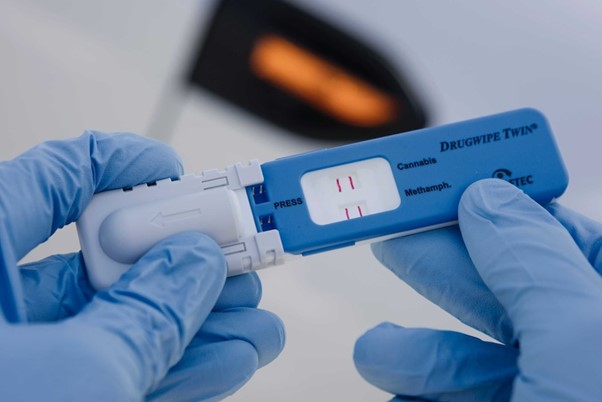 with the presence of an illicit substance in the oral fluid sample.
When you are pulled over, you will effectively be given two tests, one for illicit substances and another for a breath test. If you are positive for both tests, then the driver is placed under arrest for the combined offence.
If your sample is sent to the lab and no illicit substance is detected, the Police will only proceed with the relevant PCA offence, and vice versa. If you pass the breath analysis, the Police will only proceed with the illicit substance offence.
Regardless of which offence category you fit into, there is an immediate licence suspension for any combined offence charged.
At Catron Simmons Lawyers, we provide qualified advice tailored to your situation to help you achieve the best outcome for your matter.
| Combined Offence – First Offence | ||
| Mid Range PCA + Illicit Substance | High Range PCA + illicit substance | |
| Maximum Fine | $3,300 | $5,500 |
| Maximum Imprisonment | 18 Months | 24 Months |
| Minimum Disqualification | 12 Months | 2 years |
| Maximum Disqualification | Unlimited | Unlimited |
| Automatic Disqualification | 2 years | 4 years |
| Interlock Period (minimum) | 12 months | 2 years |
Combined Offence – Second Offence
| Low, Novice & Special Range + Illicit Substance | Mid Range PCA + Illicit Substance | High Range PCA + illicit substance | |
| Maximum Fine | $5,500 | $6,600 | $11,000 |
| Maximum Imprisonment | 18 Months | 2 years | 2 years |
| Minimum Disqualification | 18 Months | 2 years | 3 years |
| Maximum Disqualification | Unlimited | Unlimited | Unlimited |
| Automatic Disqualification | 2 years | 4 years | 6 years |
| Interlock Period (minimum) | 12 months | 2 years | 4 years |
In circumstances of aggravation, especially involving High Range PCA, the guideline judgement would still apply, meaning it is unlikely that you will be able to avoid a conviction in most circumstances. This is due to the seriousness of the offence and a Guideline Judgment from the NSW Court of Criminal Appeal. This judgment held that section 10 (CRO without conviction) would be rarely utilised.
The guideline judgement also outlines cases or scenarios in which the court would consider a custodial sentence, such as a collision.
Interlock Orders
An Interlock order is an order made by the court during sentencing and follows a period of suspension or disqualification. Transport NSW manages the Interlock orders in NSW.
An interlock device is an in-car breathalyser that is installed in a vehicle. It prevents a vehicle from being started until a negative alcohol sample is provided. Contrary to popular belief, the interlock device does not affect the vehicle’s operation and cannot turn off the engine once it is running.
More information on interlock devices and orders.
Can I be exempt from an Interlock Order?
In certain circumstances, a person can be exempt from an interlock order in NSW; this is determined during sentencing in court. The grounds for the application differ depending on the type of offence and whether it is a person’s first or subsequent offence.
An exemption order, generally speaking, is issued when:
- It would cause severe hardship to the person; and
- The making of the interlock exemption order is more appropriate in all the circumstances
Generally, these orders can centre around a person who does have access to a car, or there is a medical condition that prevents you from providing a sample of your breath. Both of these submissions would require extensive evidence before the court can make a decision.